Search
Results for “text generation”
18 models, tools and templates match.
Showing 1–18 of 18
Seedance 2.5 Text to Video is ByteDance's next-generation video model, turning a written brief into a single continuous take of up to 30 seconds — with dialogue, effects and ambience generated in the same pass. It renders up to native 4K and, when you need it, follows up to 30 reference images plus video and audio references for characters, products and motion.
Seedance 2.0 Pro is ByteDance's flagship text-to-video model — strong prompt adherence, natural motion, and optional multimodal references (images, videos, audio) to lock identity, style, and rhythm. This is the native ByteDance ModelArk endpoint; the WaveSpeed-routed siblings stay in the catalogue for users that already point at them.
Happy Horse 1.0 is Alibaba's text- and image-to-video model. Generate a clip from a prompt, or animate a single still image into a fluid 3–15 second video at 720p or 1080p, with five aspect ratios for vertical, landscape and square delivery.
Pruna Video is a fast, multi-modal video generator — text-to-video, image-to-video and audio-to-video from a single endpoint. A built-in **draft mode** cuts the cost to about a quarter for rapid iteration; flip it off when you're ready for the final delivery take.
Wan 2.7 Image Pro is Alibaba's flagship image model — text-to-image **and** image edit in one endpoint, with **4K output** support, optional thinking mode for higher-quality reasoning, and image-set mode for generating coherent variant grids from a single prompt.
Grok Imagine Image 2 is xAI's second-generation image model, released in August 2026 and ranked second on Arena's text-to-image and image-editing leaderboards at launch. It plans typography and layout the way a designer would, moves between photography and illustration with ease, and edits a single photo from a plain-language instruction. Every image costs a flat 4 credits, so 2K at full quality is the default, not an upgrade.
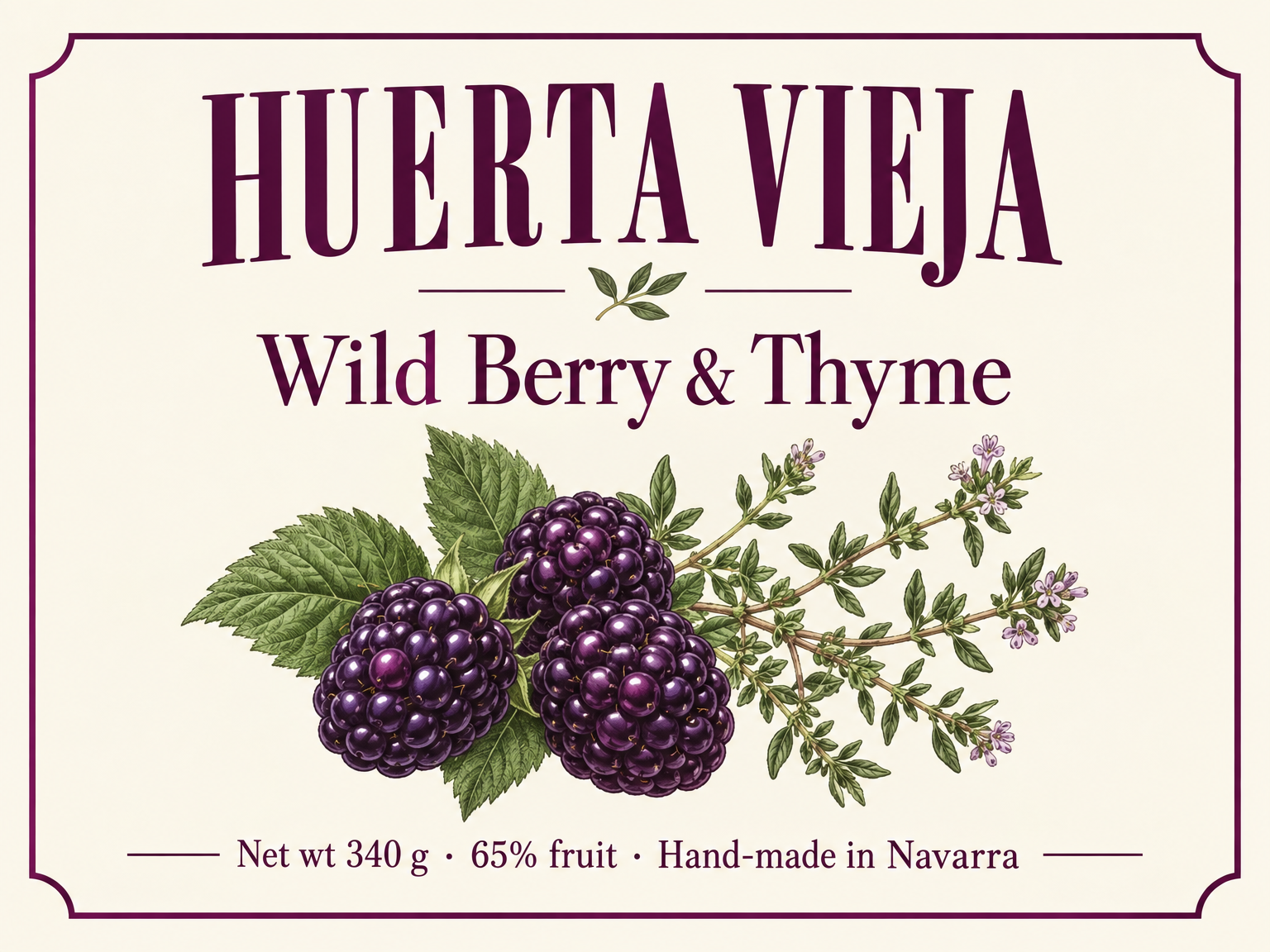
GPT Image 2.5 Sunburst is the precision tier of OpenAI's GPT Image 2.5 family — the heavier sibling of Flare that spends more compute per image so text, faces and delicate edits come out exactly right. It generates from a prompt or edits up to sixteen reference images, follows instructions literally and renders exact sizes up to 4K across five quality tiers.

GPT Image 2.5 Flare is the fast tier of OpenAI's GPT Image 2.5 family: everyday image generation and editing at roughly half the wait of GPT Image 2, without giving up sharp text or strong instruction following. Generate from a prompt or pass up to sixteen reference images to edit and combine them, with five quality tiers and exact sizes up to 4K.
Wan 2.7 Image is Alibaba's standard-tier image model — text-to-image **and** image edit in one endpoint, with output up to 2K, optional thinking mode, and image-set mode for generating coherent variant grids from a single prompt. Same price as the Pro tier; use Pro when you need 4K.
FLUX.2 [klein] 9B is the flagship of Black Forest Labs' compact FLUX.2 [klein] line: a 9-billion-parameter model distilled to just four sampling steps, so most images come back in a few seconds, from 2 credits. It generates from text and edits or combines up to five reference images in the same run, which makes it the cheapest way in our catalogue to explore ideas, draft designs and iterate on variations before you commit to a final render.
Ideogram 4.5 is Ideogram's September 2026 model for generating and editing images in one place, built on the lettering the brand is known for: slogans, logos, posters and labels that read correctly. Its edge is precise editing. Rewrite or translate a line of text, recolour a product or repaint a masked area, and the rest of the image comes back untouched, ideal for print-on-demand designs that need one more fix rather than a full redraw.
FLUX 3 is Black Forest Labs' flagship image model: one model that generates from text, edits photos and composes new scenes from up to ten reference images. Before it draws, it can research your prompt with web and image search, so real places, products and events come out right. Exact typography, element-level layout control and output up to 4K (16 MP) make it a natural fit for print-ready posters, apparel graphics and ad creatives.
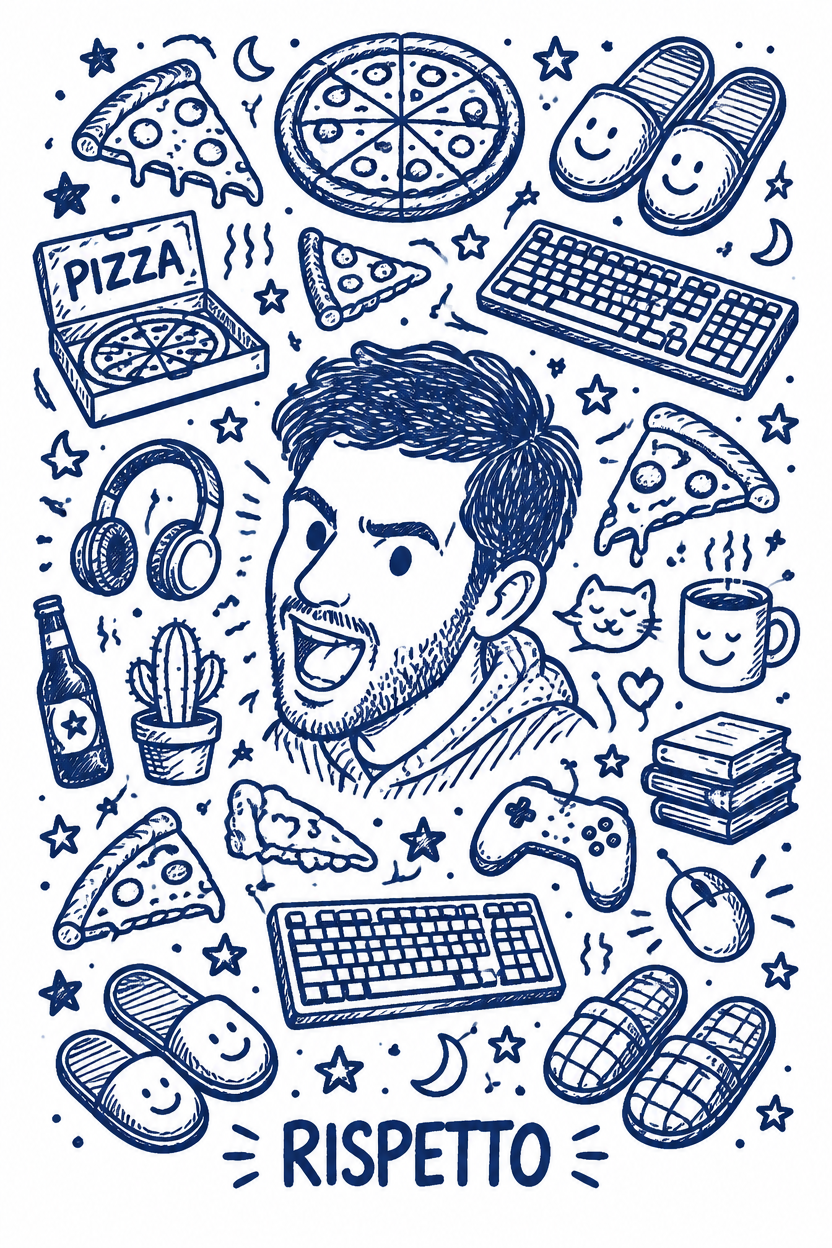
GPT Image 2.5 Sunburst Edit is the precision tier of OpenAI's GPT Image 2.5 line — the heavier sibling of Flare that spends more time per image to hold intricate detail. It edits up to sixteen reference images from a plain-language instruction, follows that instruction literally, and renders at 1K, 2K or 4K across five quality tiers from quick draft to maximum fidelity.

Nano Banana 2 is Google's fast image generation and editing model — text-to-image plus conversational editing, multi-image fusion (up to 14 references) and character consistency. Output at 1K, 2K or 4K. Optional Google Search and Image Search grounding pull current real-world references into the generation.
Krea 3 is Krea's fast, edit-first image model: describe a change in plain language and it applies it in seconds while keeping products, logos and characters recognisable, or leave out the images and it generates from text. Combine up to 8 images, switch to high thinking to plan multi-step edits, and use the experimental regional edit to change one detail while the rest of the picture stays untouched.
Nano Banana Pro is Google's state-of-the-art image generation and editing model — the strongest reasoning tier in the Nano Banana line. Multi-image fusion up to 14 references, output up to 4K, configurable safety filtering, and an optional fallback model for batch throughput.
Nano Banana 2.1 is Google's October 2026 refresh of its fast Flash-tier image model: one model for text-to-image, conversational editing and fusion of up to 14 reference images. It reasons through the prompt before it renders, so lighting briefs, exact wording and structured layouts such as infographics land more reliably than on Nano Banana 2, for about half the credits at 1K and 2K.

Seedream 5 Lite is ByteDance's fast image generation and editing model — text-to-image plus example-based editing, optional sequential group generation (up to 15 coherent variants in one call), and built-in reasoning that handles complex briefs without verbose prompting.