Search
Results for “image”
62 models, tools and templates match.
Showing 1–24 of 62
GPT Image 2.5 Sunburst Edit is the precision tier of OpenAI's GPT Image 2.5 line — the heavier sibling of Flare that spends more time per image to hold intricate detail. It edits up to sixteen reference images from a plain-language instruction, follows that instruction literally, and renders at 1K, 2K or 4K across five quality tiers from quick draft to maximum fidelity.
Grok Imagine Image 2 is xAI's second-generation image model, released in August 2026 and ranked second on Arena's text-to-image and image-editing leaderboards at launch. It plans typography and layout the way a designer would, moves between photography and illustration with ease, and edits a single photo from a plain-language instruction. Every image costs a flat 4 credits, so 2K at full quality is the default, not an upgrade.

GPT Image 2.5 Flare is the fast tier of OpenAI's GPT Image 2.5 family: everyday image generation and editing at roughly half the wait of GPT Image 2, without giving up sharp text or strong instruction following. Generate from a prompt or pass up to sixteen reference images to edit and combine them, with five quality tiers and exact sizes up to 4K.
GPT Image 2.5 Sunburst is the precision tier of OpenAI's GPT Image 2.5 family — the heavier sibling of Flare that spends more compute per image so text, faces and delicate edits come out exactly right. It generates from a prompt or edits up to sixteen reference images, follows instructions literally and renders exact sizes up to 4K across five quality tiers.
MiniMax H3 Image Edit is the image-editing mode of MiniMax H3 — also known as Hailuo 3.0 — the open-weights multimodal model MiniMax launched in July 2026. Feed it up to nine reference images and a written instruction and it re-renders the subject into a new scene, outfit or style while holding on to their identity, at 1K or 2K.
Wan 2.7 Image is Alibaba's standard-tier image model — text-to-image **and** image edit in one endpoint, with output up to 2K, optional thinking mode, and image-set mode for generating coherent variant grids from a single prompt. Same price as the Pro tier; use Pro when you need 4K.
FLUX 3 is Black Forest Labs' flagship image model: one model that generates from text, edits photos and composes new scenes from up to ten reference images. Before it draws, it can research your prompt with web and image search, so real places, products and events come out right. Exact typography, element-level layout control and output up to 4K (16 MP) make it a natural fit for print-ready posters, apparel graphics and ad creatives.
FLUX.2 [klein] 9B is the flagship of Black Forest Labs' compact FLUX.2 [klein] line: a 9-billion-parameter model distilled to just four sampling steps, so most images come back in a few seconds, from 2 credits. It generates from text and edits or combines up to five reference images in the same run, which makes it the cheapest way in our catalogue to explore ideas, draft designs and iterate on variations before you commit to a final render.
Krea 3 is Krea's fast, edit-first image model: describe a change in plain language and it applies it in seconds while keeping products, logos and characters recognisable, or leave out the images and it generates from text. Combine up to 8 images, switch to high thinking to plan multi-step edits, and use the experimental regional edit to change one detail while the rest of the picture stays untouched.
Wan 2.7 Image Pro is Alibaba's flagship image model — text-to-image **and** image edit in one endpoint, with **4K output** support, optional thinking mode for higher-quality reasoning, and image-set mode for generating coherent variant grids from a single prompt.

Pruna Image Edit is a sub-second multi-image editor with twenty specialist task presets — relight, restyle, multi-angle, upscale, scene continuation, character insertion, anime / 3D / caricature stylisation, texture extraction and more. Built for tight production loops where the per-edit budget matters.
Ideogram 4.5 is Ideogram's September 2026 model for generating and editing images in one place, built on the lettering the brand is known for: slogans, logos, posters and labels that read correctly. Its edge is precise editing. Rewrite or translate a line of text, recolour a product or repaint a masked area, and the rest of the image comes back untouched, ideal for print-on-demand designs that need one more fix rather than a full redraw.
Nano Banana 2.1 is Google's October 2026 refresh of its fast Flash-tier image model: one model for text-to-image, conversational editing and fusion of up to 14 reference images. It reasons through the prompt before it renders, so lighting briefs, exact wording and structured layouts such as infographics land more reliably than on Nano Banana 2, for about half the credits at 1K and 2K.
Pruna's image upscaler — the fastest on the market today, with sub-second inference and output up to 128 megapixels. Pick a target megapixel count or a per-side scaling factor, optionally boost details or realism, and ship hero-resolution assets without the diffusion-model cost.
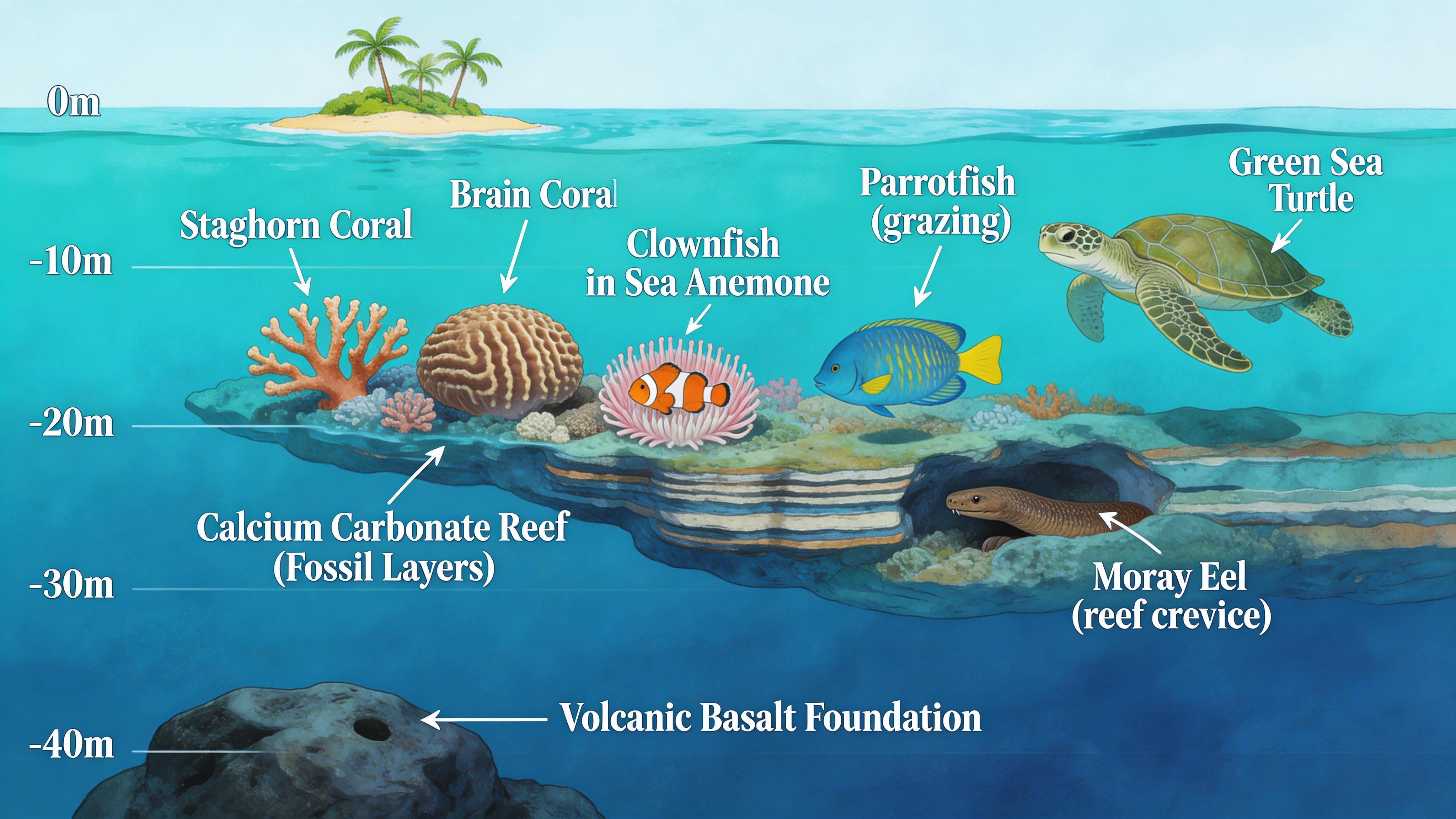
Seedream 5 Lite is ByteDance's fast image generation and editing model — text-to-image plus example-based editing, optional sequential group generation (up to 15 coherent variants in one call), and built-in reasoning that handles complex briefs without verbose prompting.
Seedream 5.0 Flash Edit is the fast, budget tier of ByteDance's Seedream 5.0 image line, built for editing at volume. Give it one to ten reference images and a written instruction and it returns a single edited image at 1K, 1.5K or 2K — all at the same flat price, so the sharpest output never costs more than a draft.

Nano Banana 2 is Google's fast image generation and editing model — text-to-image plus conversational editing, multi-image fusion (up to 14 references) and character consistency. Output at 1K, 2K or 4K. Optional Google Search and Image Search grounding pull current real-world references into the generation.
Nano Banana Pro is Google's state-of-the-art image generation and editing model — the strongest reasoning tier in the Nano Banana line. Multi-image fusion up to 14 references, output up to 4K, configurable safety filtering, and an optional fallback model for batch throughput.
Nano Banana 2 Edit Fast is the fast-tier image-editing endpoint from Google's Nano Banana 2 line. Pass one to fourteen reference images plus a written instruction and the model rewrites them — at 2K or 4K output, with an optional web-search pass that grounds the edit in real-time context.

Logo Translator Pro re-imagines an existing logo into a target style, era or audience — vintage to modern, kid-friendly to corporate, hand-drawn to geometric. Pass the source logo plus a written instruction; the model returns a translated logo with the brand identity preserved.

Flip an image horizontally or vertically. Lossless, deterministic, and useful for apparel-mockup variants or symmetric editorial layouts.

Resize an image by width, height, or both with Lanczos resampling. Aspect ratio is preserved when only one dimension is provided.
Combine multiple images into a single grid with configurable columns, gap, max width, and optional captions or index labels — useful for comparison sheets, variant boards, and contact sheets.
Crop an image by pixel coordinates, percentage coordinates, or a uniform margin (in pixels or as a fraction). Pick one mode per call.